

Agnieszka Caban
The beginning of the war in Ukraine found me in Warsaw. I followed the news on TV that Putin would attack Ukraine, there was a lot of information and speculation on this subject in the media. On February 24th, 2022, in the morning Russia indeed sent missiles into Ukraine. Still, there was hope that this was only an attempt to intimidate and cause panic. In Warsaw, large numbers of people bought goods in stores, and it was challenging to refuel my car because there were long queues of cars at gas stations. People were afraid that Putin would attack Poland as well.
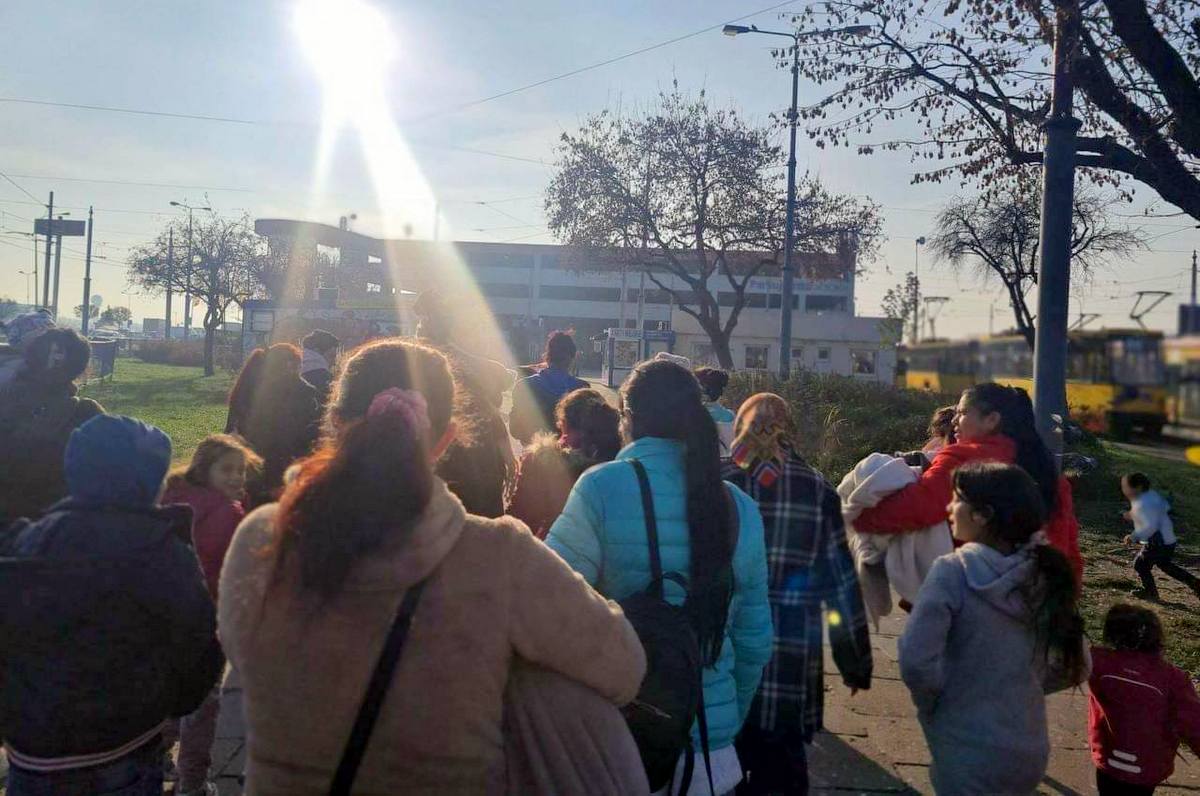
On the same day, thousands, and then hundreds of thousands of people began to cross the border with Ukraine and enter Poland. As a Roma activist in Poland, within a very short time, I received information about the Roma community from Ukraine trying to cross the border. I also heard about people who were not of ethnic Ukrainian origin who were not treated on an equal footing with other Ukrainian citizens fleeing the war.
I received many questions from various social organizations and coordinators of refugee accommodation places about how to help the Roma refugees. Amongst the requests for help were also complaints about the people of Roma origin arriving at the border: ‘They do not follow the rules of coexistence in the place’, ‘we see that ethnic Ukrainians do not want to stay near them’. I was surprised to see the longstanding stereotypical opinions about Roma people surfacing again, even in an emergency, during a war.
In a few days, my friends and I set up an informal help group on Facebook, which initially collected contacts about where new groups of Roma were coming, where in Warsaw they were staying and what help they needed. We went to the border and witnessed that the Roma often stood separately from other people. The volunteers approached the Ukrainian refugees with warm food, but the Roma were often not offered refreshments, a ride or arranged accommodation. Indeed, if a Polish person decided to offer accommodation to a Ukrainian refugee, they changed their mind once they saw a Roma person being designated to go to their home.
Accommodation of Ukrainian Roma refugees in smaller centres, e.g., hostels also became problematic. The owners and managers in these places openly preferred to not host Roma people in their accommodation. Organisations with a more tolerant ethos towards ethnic and religious minorities were also expressing their preferences not to accommodate Roma. In my own experience of working to accommodate a Ukrainian Roma woman and her children in a refugee accommodation centre, provided by a religious centre near Warsaw, I encountered difficulties. The Roma woman and her three children were initially accommodated by the organisation but at night, the people managing the refuge called the police to take the Roma family away because of a complaint by other ethnic Ukrainians fearing the presence of Roma people in the building. In response to my inquiry, the religious organisation responded that the accommodation was only for its members, although they made an exception for other Ukrainian refugees.
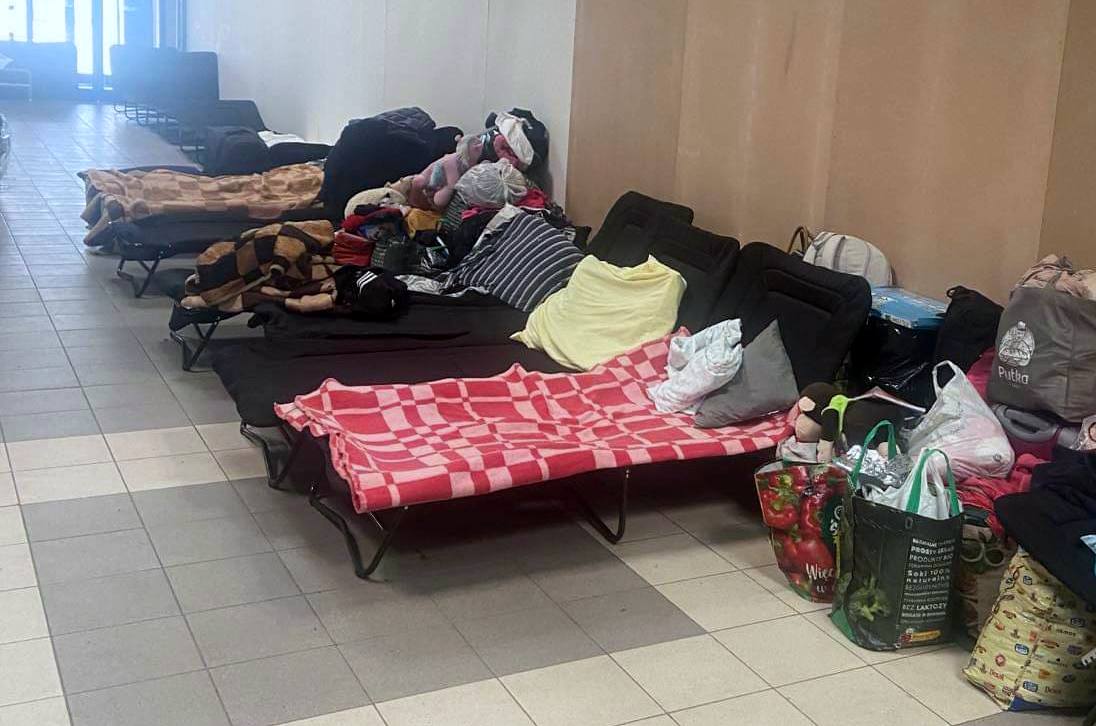
In the end, most of the Ukrainian Roma refugees ended up being accommodated in larger transitional facilities, meant only for a 2 to 3-day stay. Large shopping centres in Warsaw were adapted into accommodation centres and representatives of non-governmental organisations, including myself, were asked to help the Roma refugees living in these transitional centres. Amongst the many volunteers, highly prejudiced and mistrusted Roma community members.
Moreover, there was a noticeable fear and mistrust among the Ukrainian Roma refugees themselves. Fleeing war, leaving relatives behind, not speaking the language, and not knowing who can help them, in addition to knowing that they may be discriminated against for being ‘different Ukrainians’, caused a great deal of fear. Many talked about rumours of criminal groups taking advantage of victims under the pretext of helping them and under the pressure, some of them gave up on staying in Poland and went back to Ukraine.
To this day, almost two years since the onset of the war, as I continue to help Ukrainian Roma refugees in Poland, I encounter prejudice towards them. Take, for example, the ensuing issue of enrolling Ukrainian Roma children in Polish schools. Headmasters are worried about their schools’ reputation and are not willing to enrol Roma children in school, while still accepting ethnic Ukrainian children. Despite much reluctance to engage with Ukrainian Roma refugees, based on fear and stereotypes, many organizations and individuals rose to the challenge and continue to support Roma refugees.
This article is based on research conducted as part of the “Unwanted Strangers” research project supported by the British Academy, led by Dr Iliana Sarafian and hosted by LSE’s Centre for Public Authority and International Development at the Firoz Lalji Institute for Africa.
