Rozwój portalu tradycyjnej kultury romskiej E-Drom dofinansowano ze środków Ministra Kultury i Dziedzictwa Narodowego pochodzących z Funduszu Promocji Kultury



Rozwój portalu tradycyjnej kultury romskiej E-Drom dofinansowano ze środków Ministra Kultury i Dziedzictwa Narodowego pochodzących z Funduszu Promocji Kultury
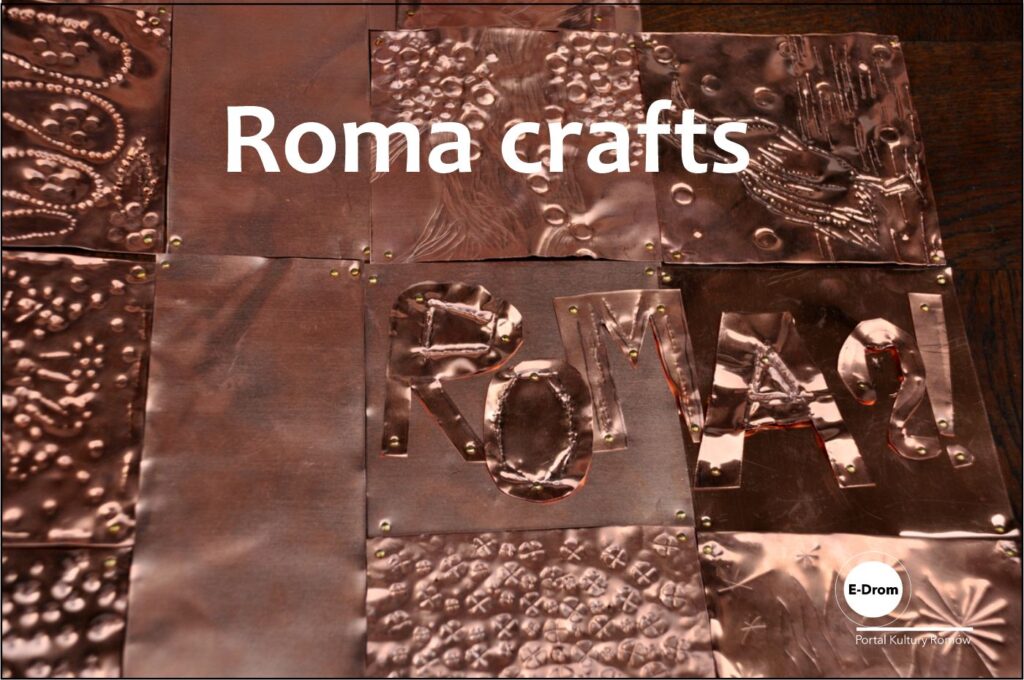
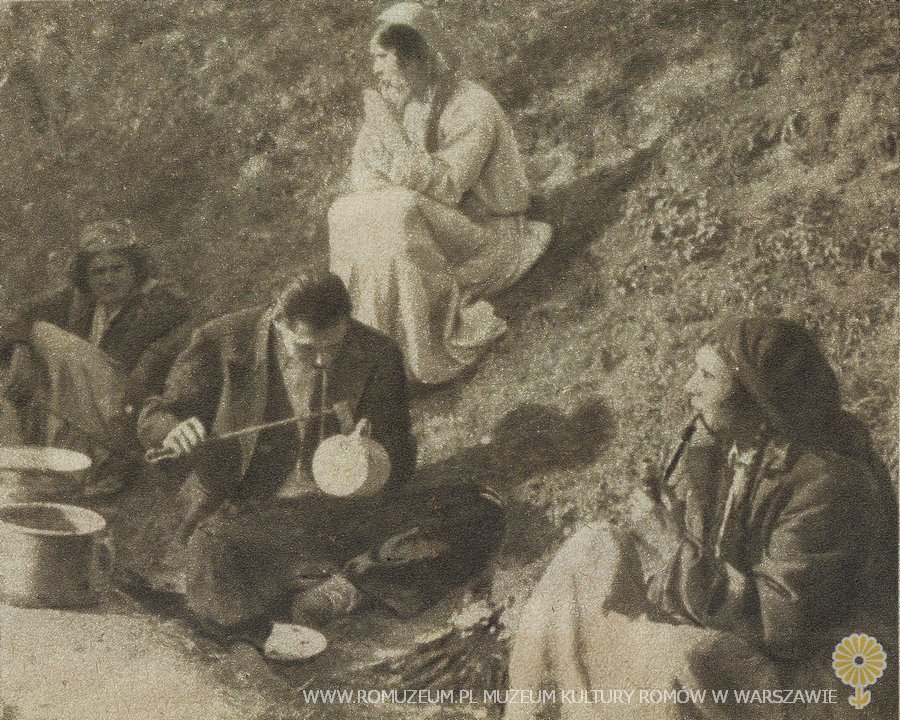
Blacksmithing, making metal pots, horse trading, fortune-telling and music are the jobs most often linked with Roma people. Of course, Roma earned their living in many different ways and worked in many trades, far beyond simple stereotypes. Today in Poland, among these traditional jobs, mainly fortune-telling and music have survived. Metal trades and horse trading are disappearing.
Craft skills such as making metal pots, roofing, producing farm tools and household items from wood or reed, or making clay bricks still help Roma families earn a living in countries like Romania and Bulgaria. Even there, however, these professions are slowly fading. In many Roma groups, the old jobs live on mostly in the group names themselves, such as Nożari, Korytari, Aurari, Rudari, Sitari, Lingurari, Ursari, or the largest group, the Kelderari. Social and economic changes over the last decades have taken work away from thousands of people who once lived by making things with their own hands and selling them cheaply and directly to customers. Today, what remains are artist-craftspeople – the last of their kind – whose work is mostly seen at festivals and fairs showing rare or disappearing crafts.
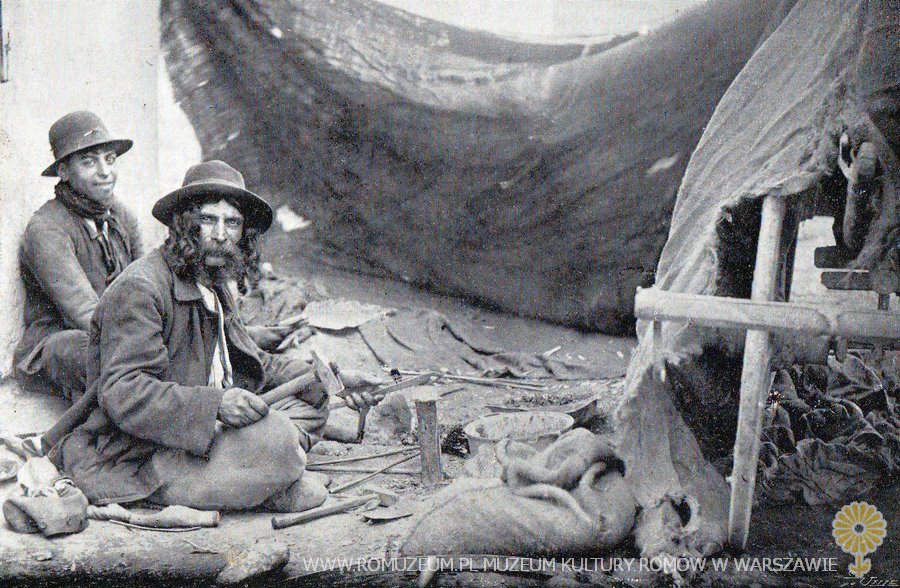
The image of the “Gypsy blacksmith” is one of the strongest in non-Roma culture. The oldest European descriptions of Roma often mention blacksmithing as a common job. In the late Middle Ages and during many wars in Europe, there was strong demand for people who could make and repair weapons and metal equipment. Most soldiers could not afford expensive armourers, so they went to Roma blacksmiths. These forges were often mobile, carried on carts or even on the backs of their owners. Sources from the 16th and 17th centuries, especially from Hungary and the Ottoman Empire, say that Roma blacksmiths also made chains and shackles and used them on prisoners and slaves. Some researchers believe this may have helped create a negative image of Roma.
Farmers were the main clients of Roma blacksmiths. They made and repaired farm tools and shod horses. In mountain villages in Poland, Roma almost completely dominated this trade. “Gypsy” was often simply another word for “blacksmith.” They were respected, and their services were affordable. Industrialisation, the decline of horse use in farming, and factory-made tools destroyed the economic base of this work. Today, in regions once famous for Roma blacksmiths, there is not a single Roma forge left.
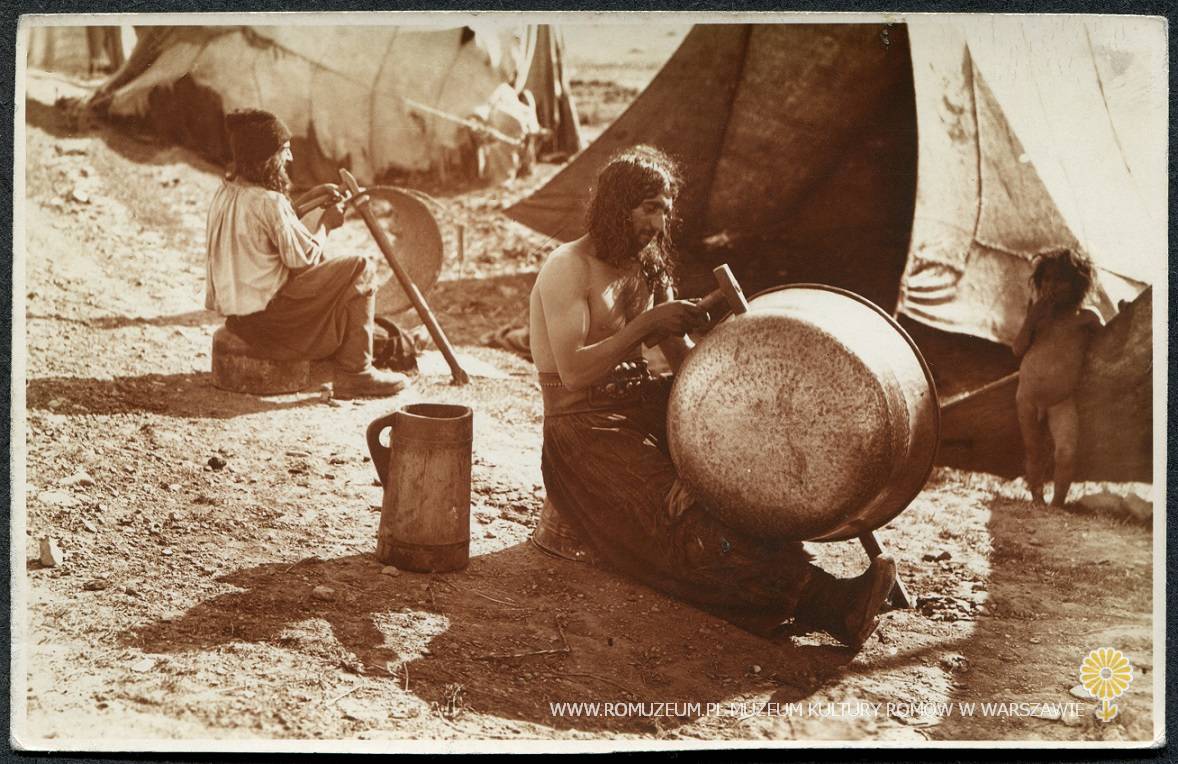
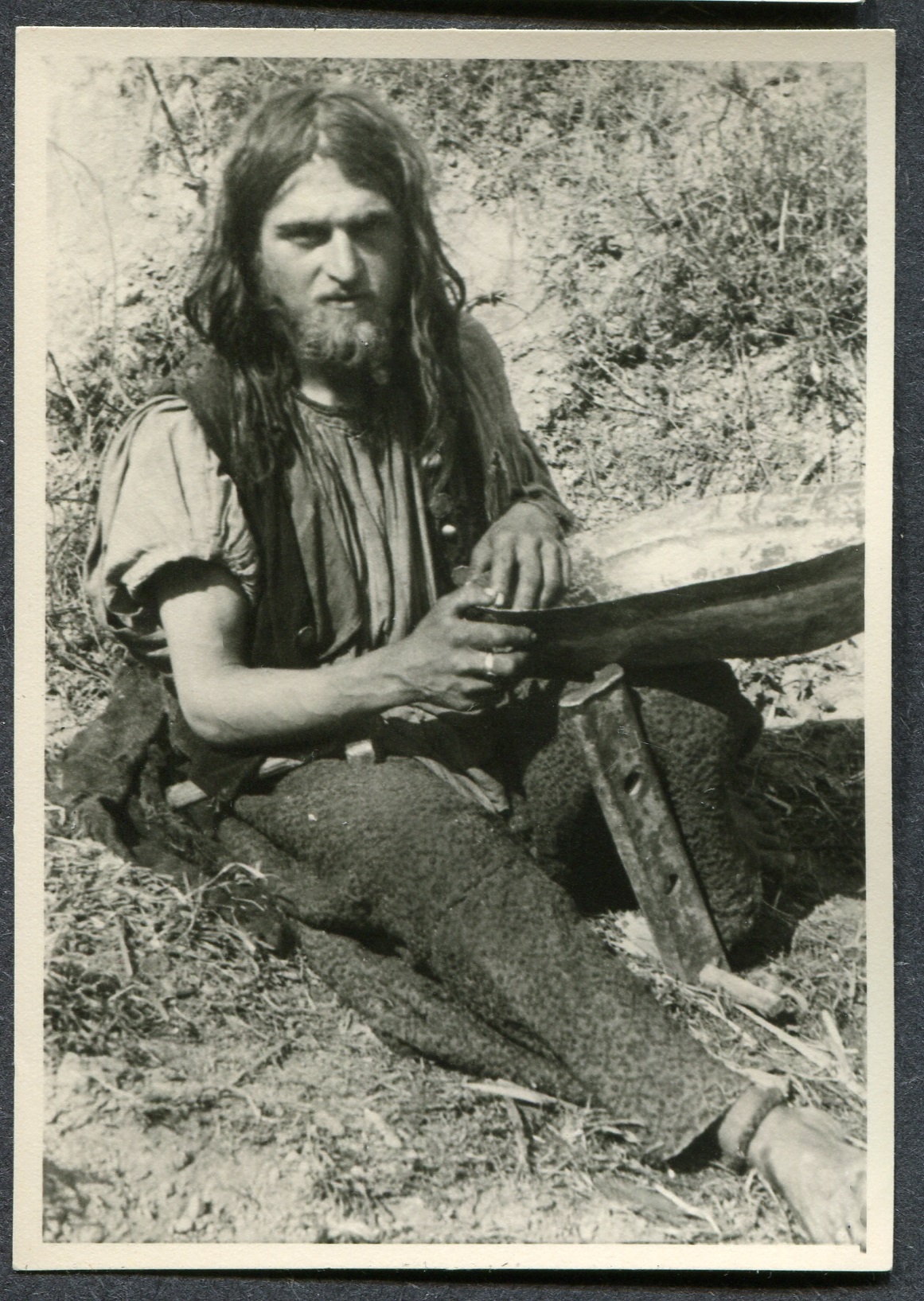
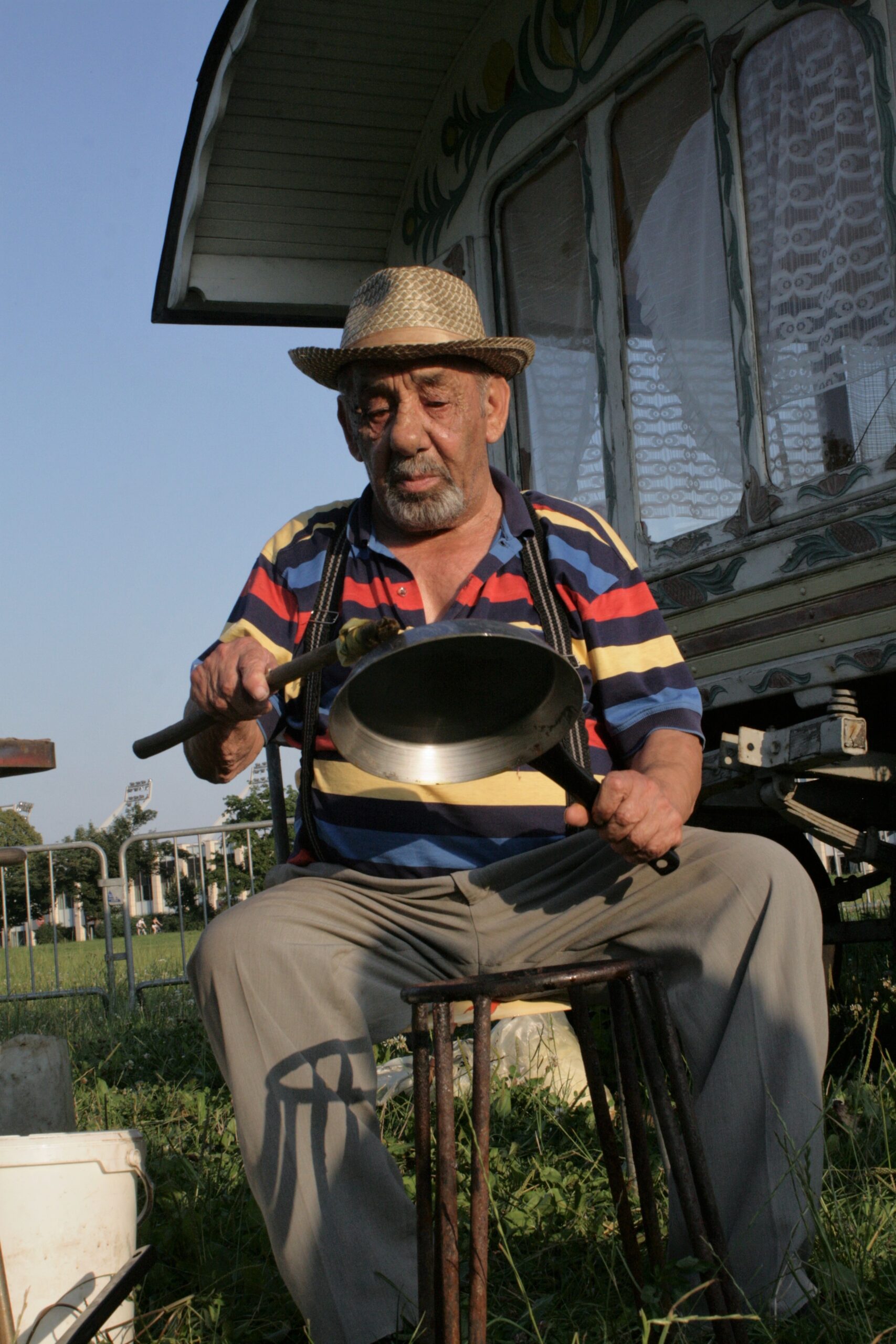
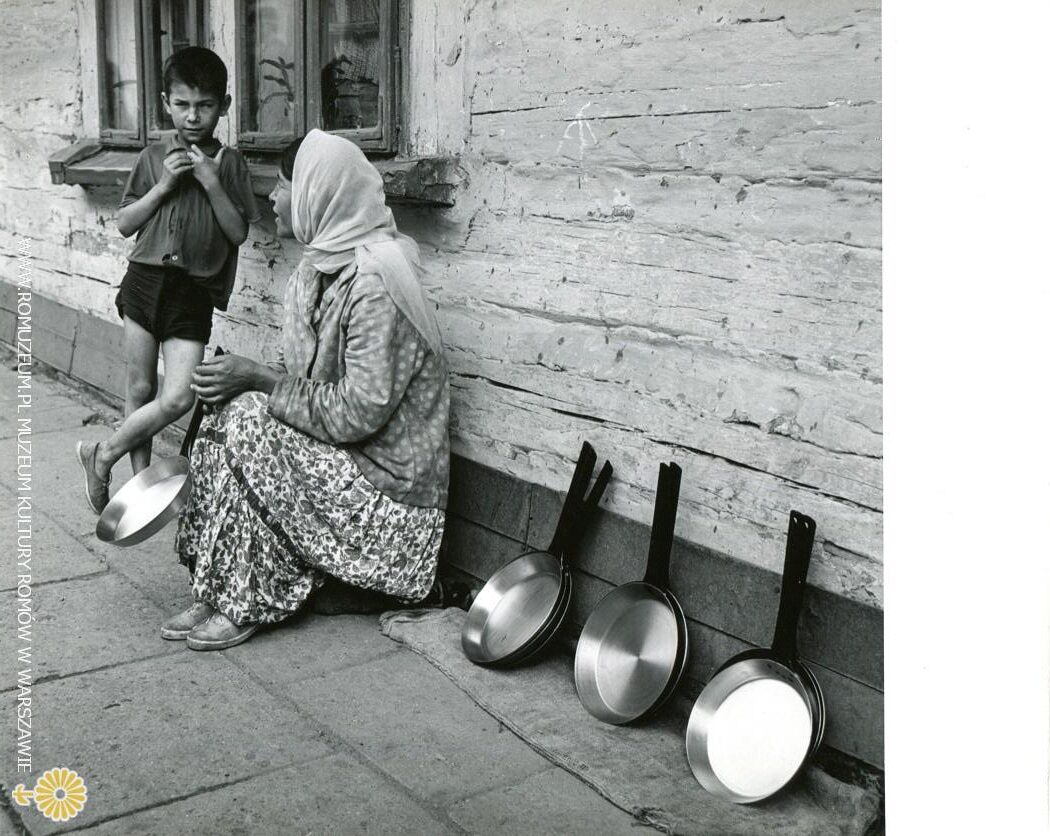
A related metal trade was practiced by Kelderari and some other Roma groups. They made and repaired copper pots and kettles, often coating them with tin. Between the two world wars, Kelderari became relatively wealthy thanks to these skills. Even after World War II, until the 1980s, there was still demand for tin-coating pots in bakeries, breweries and food factories. Many Roma worked independently or in cooperatives. Today, in many homes you can still find old copper pans made by Roma – but more as museum objects than everyday tools.
“Horses, only horses to be sorry for” – this phrase often appears in articles about Roma. For some travelling Roma groups, the horse had a deep, almost mystical meaning. It was a companion and a basic part of life on the road. Roma knew horses very well and used this knowledge in horse trading. For the Lowara group, horse trading at the turn of the 19th and 20th centuries was the main source of income. Other groups did it only occasionally. Profit came from buying horses cheaply in poorer regions and selling them for more elsewhere. Sometimes sick horses were treated and sold at a profit, and sometimes dishonest tricks were used. Over time, horse trading collapsed. Today only a few traders remain, mostly selling horses for slaughter. In some countries, however, the tradition survives. In Finland, Roma families have bred racing horses for generations, and in England some Roma work as breeders and jockeys.
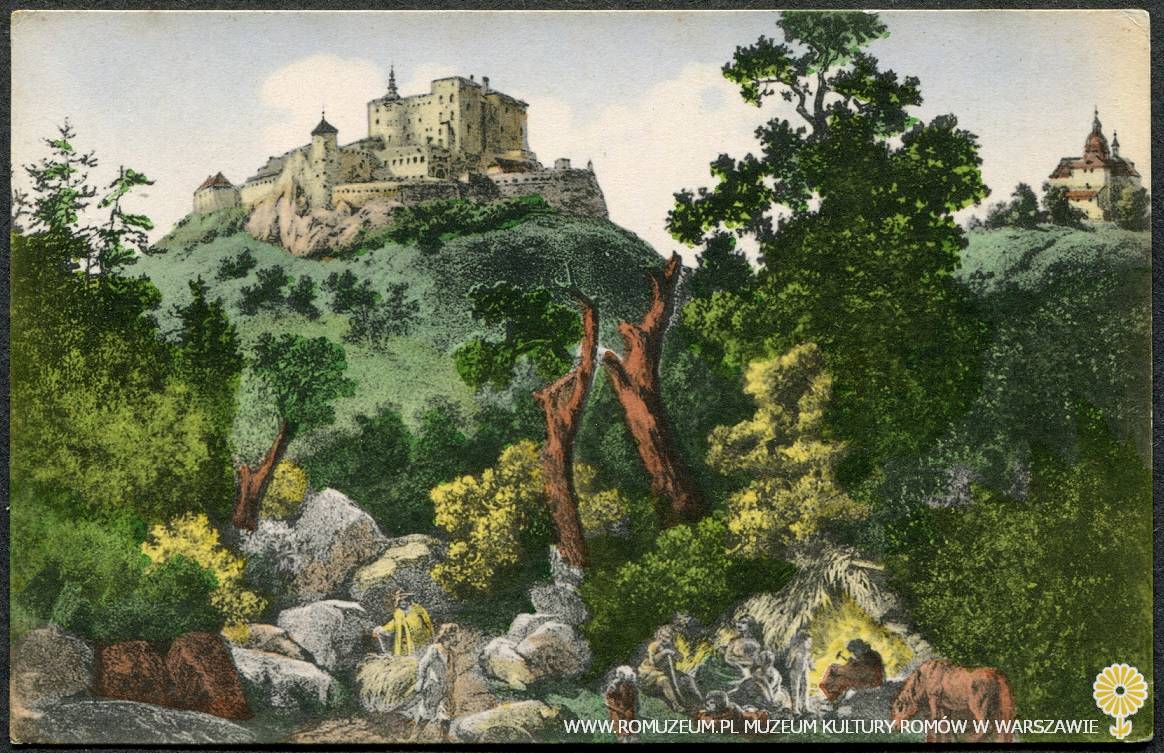
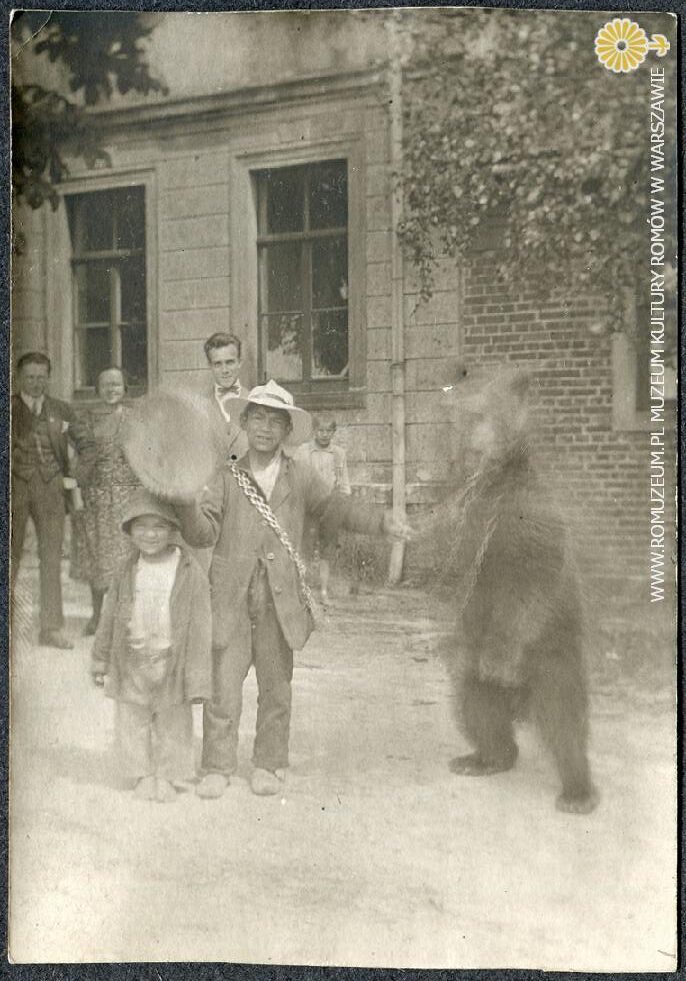
Another profession that now belongs to history is animal training, especially bears. The image of a “Gypsy with a bear” is another strong cultural symbol. The bear leader was seen as an artist, craftsman and even a kind of magician. People believed that a bear led around a farm could chase away illness and evil spirits. This profession existed across Europe, but its centre was in the Carpathian region. In Romania, a Roma group called Ursari specialised in this work. Skills were passed from father to son, though women also took part. Bears, caught when young, became both working tools and travel companions. Shows took place at fairs, markets and weddings. Alongside bears, Roma also used monkeys, dogs, goats and birds. This way of life disappeared in the second half of the 20th century, with growing awareness of animal suffering, stricter animal protection laws, bans on travelling, and the end of Roma nomadism. For Ursari, this meant losing not only their income but also their professional identity.
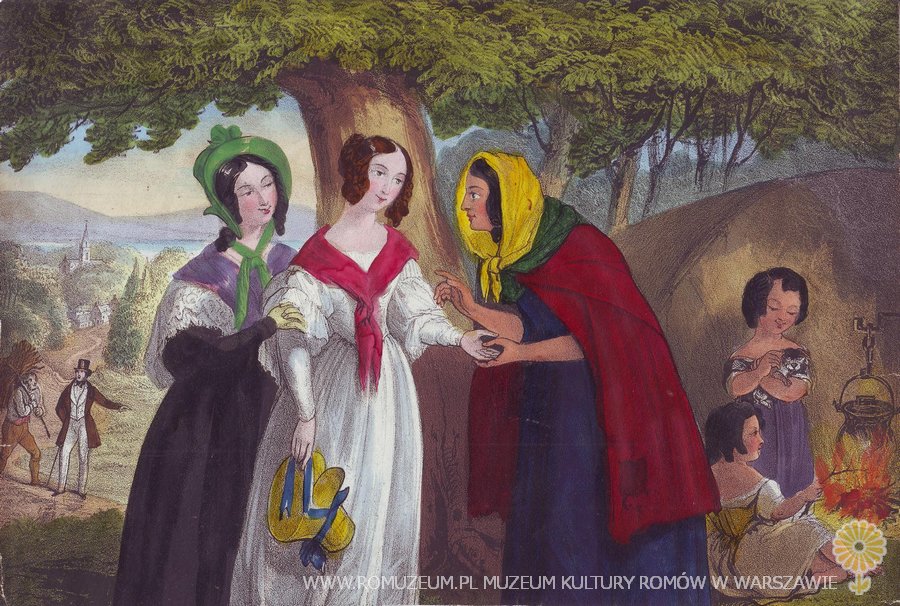
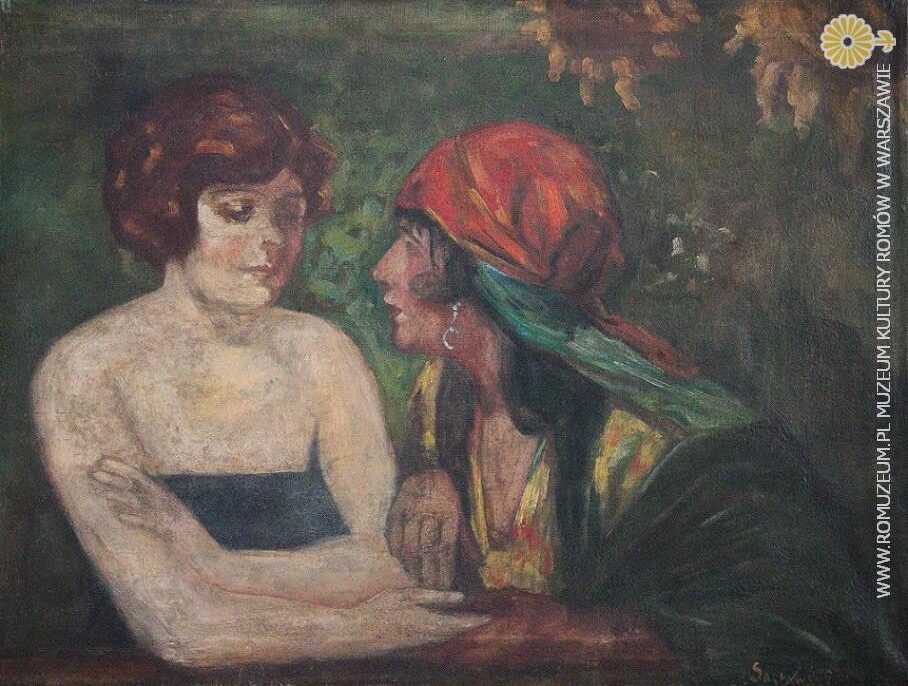
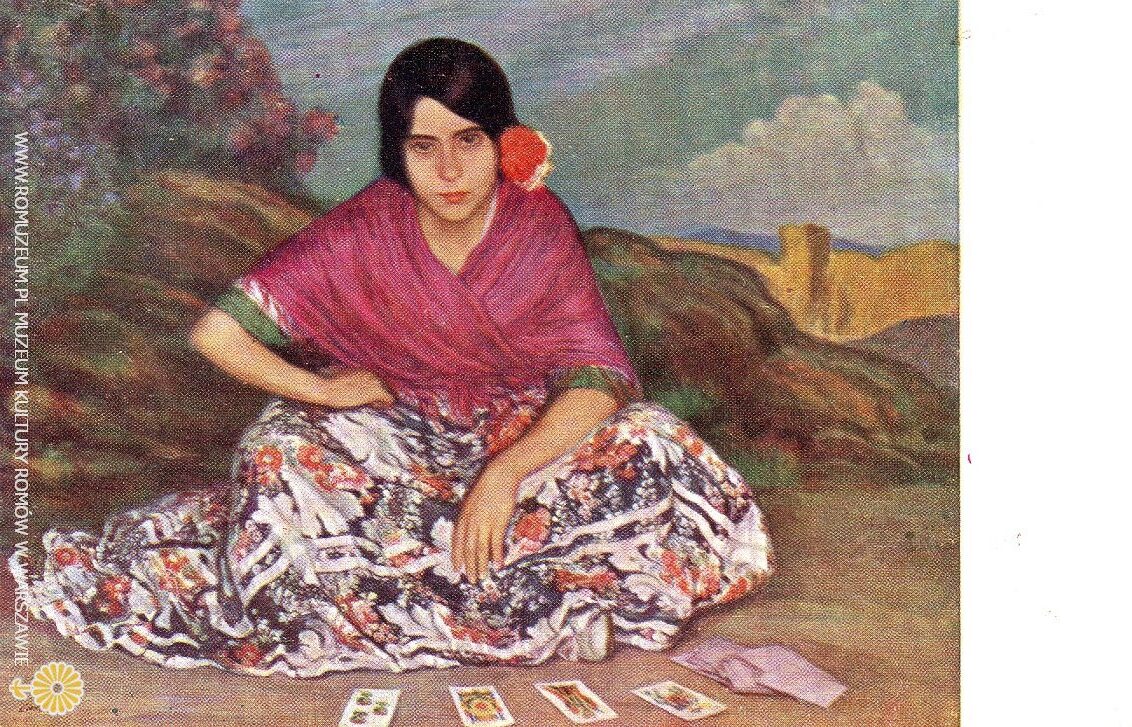
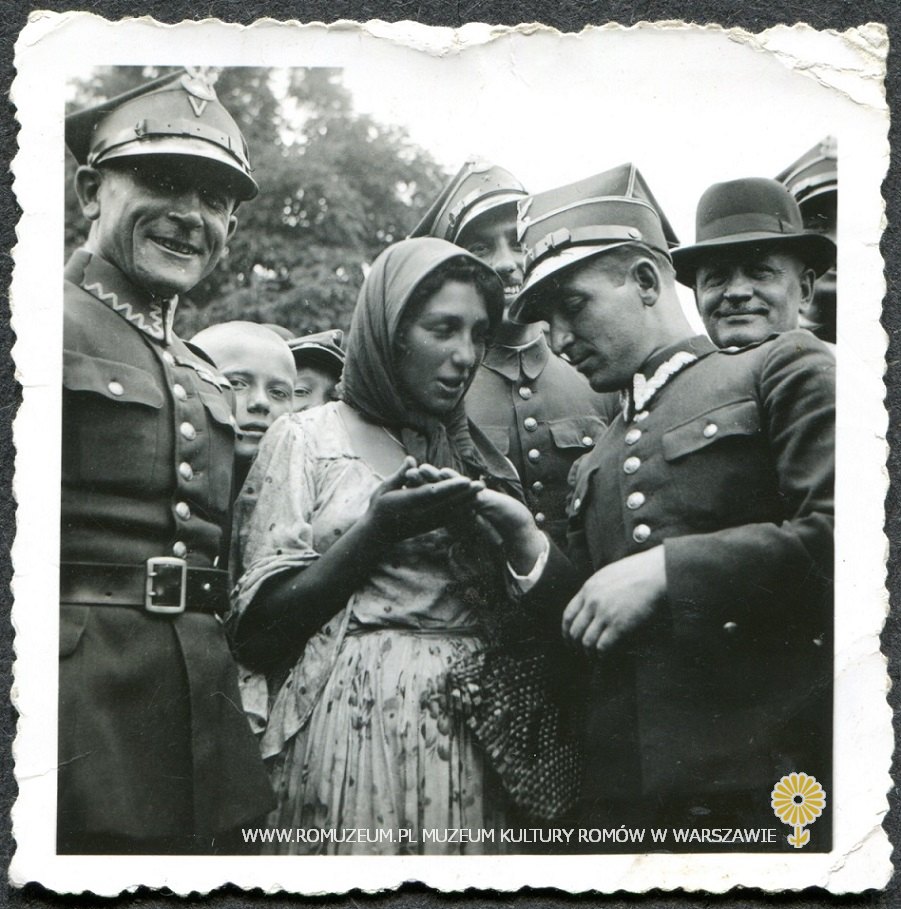
Since Roma first appeared in European awareness, they have been linked with magic and telling the future. The figure of the “Gypsy fortune-teller” is still popular. It is unclear whether these practices came from India. More likely, fortune-telling developed later, influenced by local beliefs in the Byzantine and Balkan regions. There was always strong demand for such services, although fortune-tellers were often accused of working with dark forces. Fortune-telling became a female profession. In some Roma groups, it was for decades the main source of family income. The most common methods are palm reading and card reading, but there are many others. Roma generally do not tell the future for each other, believing it can be dangerous and that the future belongs to God. Fortune-telling is meant for non-Roma clients.
When people think about Roma culture, they most often think about music. Roma musicians have always played at weddings, funerals and celebrations. Their music is lively, emotional and melodic. Roma have long been musicians for hire, adapting their music to the tastes of their audience while adding their own creativity. Roma music is very diverse and often combines local styles. In Poland, Roma music was strongly influenced by Russian romance songs. Today, some Roma musicians mix traditional elements with pop or disco-style music. Others keep closer to traditional Roma roots, but they are usually heard within Roma communities rather than on big public stages.
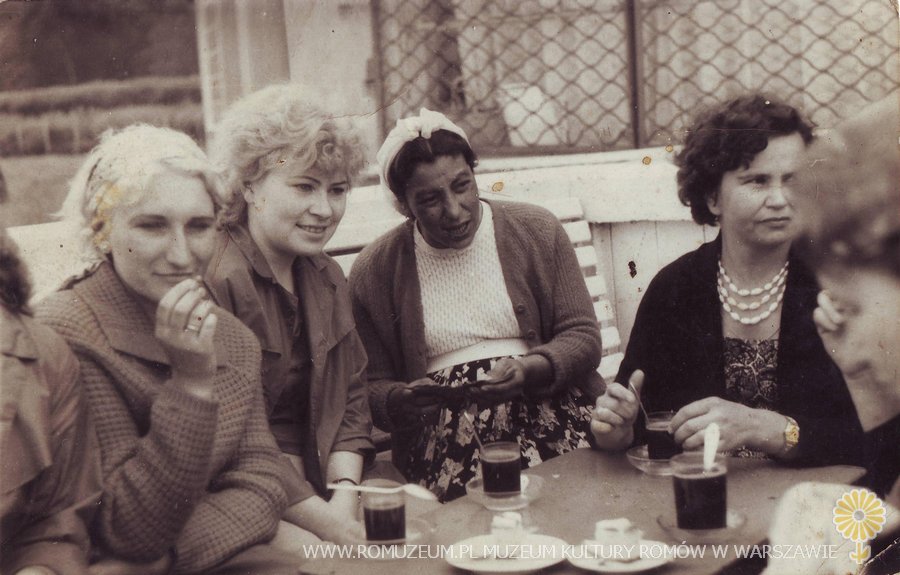
Today, the most common job among Polish Roma is trade. Many earn money through used cars, textiles, furniture, carpets, antiques and other goods, often thanks to family links abroad. These economic activities began already during the communist period. Some Roma today run petrol stations, trade scrap metal, invest in property, or work in services such as beauty or food businesses. More and more Roma finish vocational schools and universities and work as teachers, engineers or assistants in schools.
However, this group is not the majority. Many Polish Roma do not have stable, registered jobs and rely on temporary work or social support. This especially affects Roma from the Carpathian region, whose traditional service-based jobs disappeared. With the decline of small crafts and unskilled labour, many families face economic hardship and depend on short-term work and welfare.
Andrzej Grzymała – Kazłowski
The images come from the collection of Andrzej Grzymała-Kazłowski, the Museum of Romani Culture in Warsaw.












The video created by Delfin Łakatosz features an interview with Wanda Rutowicz, a designer, seamstress and owner of the Romani Fashion Studio. It combines a tutorial on how to sew a traditional Romani headscarf with a captivating story about the history, everyday life and cultural meaning of women’s clothing among Polish Roma.
The recording is part of the Fashion and Clothing Gallery on the e-drom.pl portal.
Rozwój portalu tradycyjnej kultury romskiej E-Drom dofinansowano ze środków Ministra Kultury i Dziedzictwa Narodowego pochodzących z Funduszu Promocji Kultury
